
The Viking Raid That Changed Britain
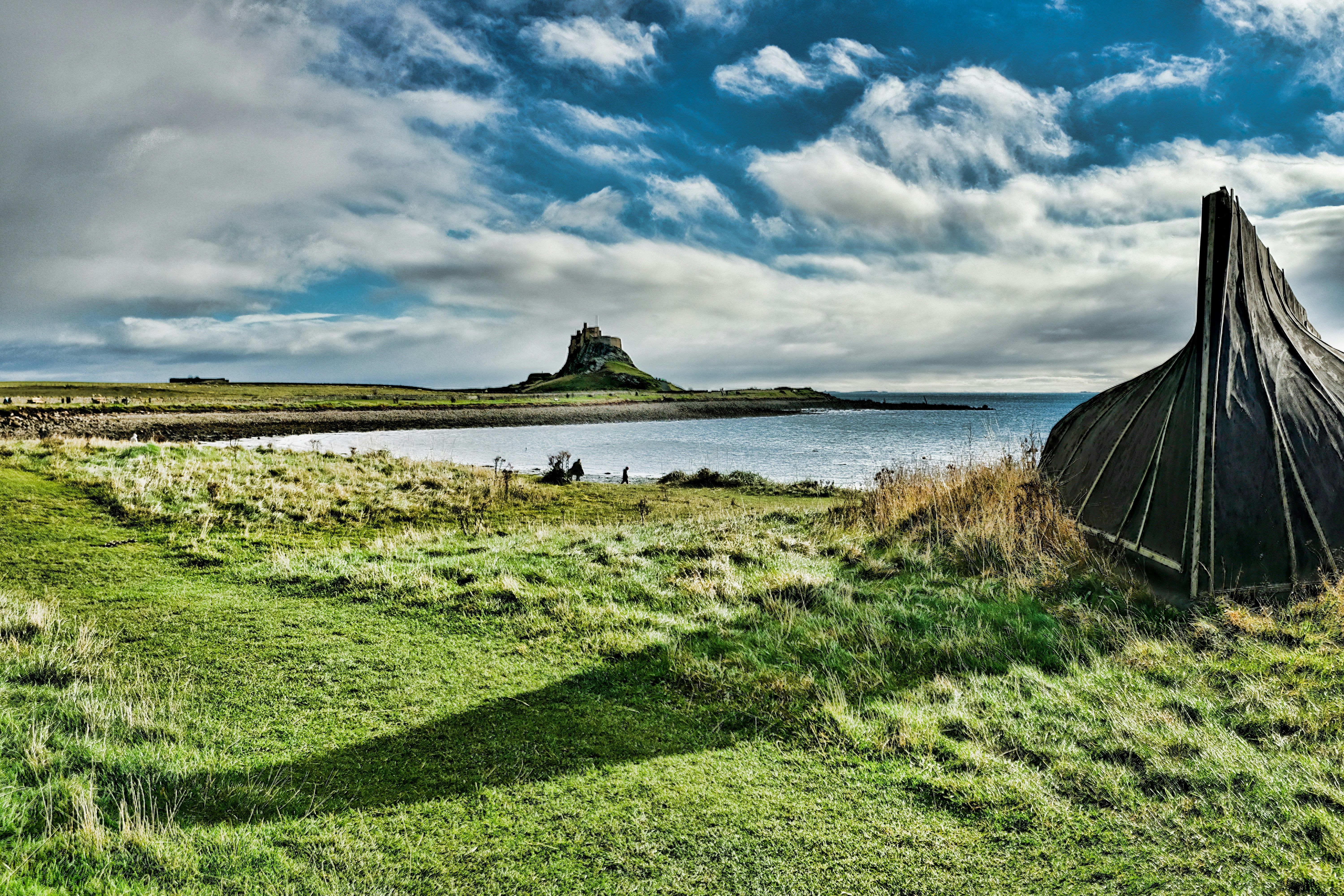
On 8 June AD 793, a group of Norsemen landed on the tidal island of Lindisfarne off the Northumberland coast. What followed was one of the most significant events in British history — and the moment that launched the Viking Age.
The monastery on Lindisfarne was one of the holiest sites in Christendom. Founded by St Aidan in AD 635, it had been the cradle of English Christianity and the home of the extraordinary Lindisfarne Gospels. It was also, crucially, undefended.
The attack
The Anglo-Saxon Chronicle recorded the event with horror: "The ravaging of heathen men destroyed God's church on Lindisfarne, with plunder and slaughter." Monks were killed, sacred relics were stolen, and the monastery was ransacked.
The scholar Alcuin of York, writing from the court of Charlemagne, was devastated: "Never before has such terror appeared in Britain as we have now suffered from a pagan race. The church of St Cuthbert is spattered with the blood of the priests of God."
Why it mattered
The raid on Lindisfarne was not the first Viking attack on the British Isles — Portland in Dorset had been raided a few years earlier. But Lindisfarne was different. It was an attack on the spiritual heart of the English church, and it sent shockwaves across Europe.
Over the next two centuries, Viking raiders, traders, and settlers would transform Britain. They founded cities (including York, which they renamed Jórvík), established the Danelaw across eastern England, and ultimately shaped the language, culture, and genetic makeup of the British Isles.
Visiting Lindisfarne today
The island is accessible only at low tide via a causeway that floods twice daily — adding to its sense of remoteness and drama. The atmospheric ruins of the medieval priory, the sixteenth-century castle restored by Edwin Lutyens, and the wild beauty of the island make Lindisfarne one of the most memorable stops on the Danelaw route.