Newcastle
From Roman fort to vibrant northern city
Newcastle's story begins with the Romans. The fort of Pons Aelius guarded the bridge where Hadrian's Wall crossed the River Tyne — the eastern anchor of the entire frontier system. The remains of the fort lie beneath the modern Castle Keep, linking the city's origins directly to Rome.
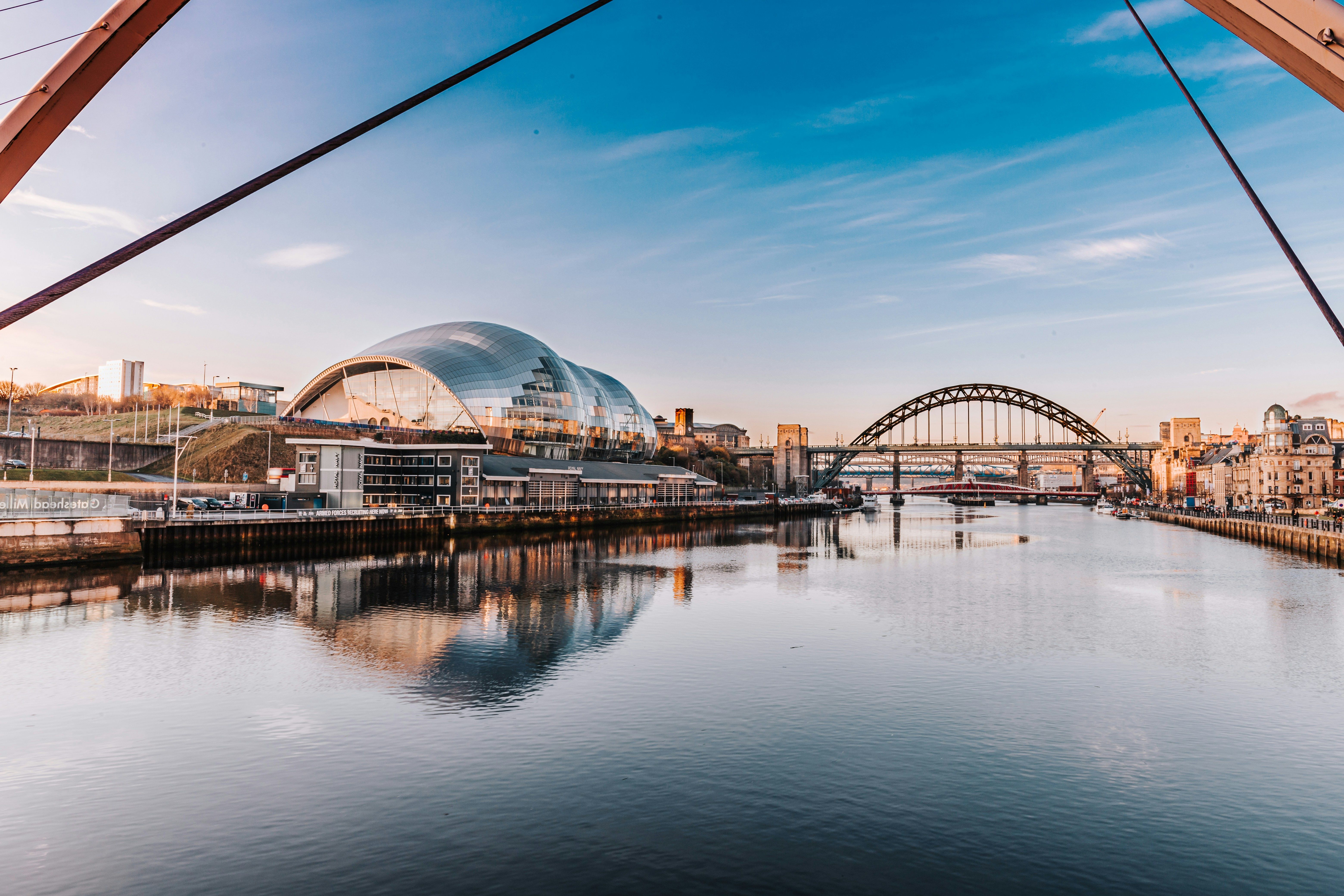
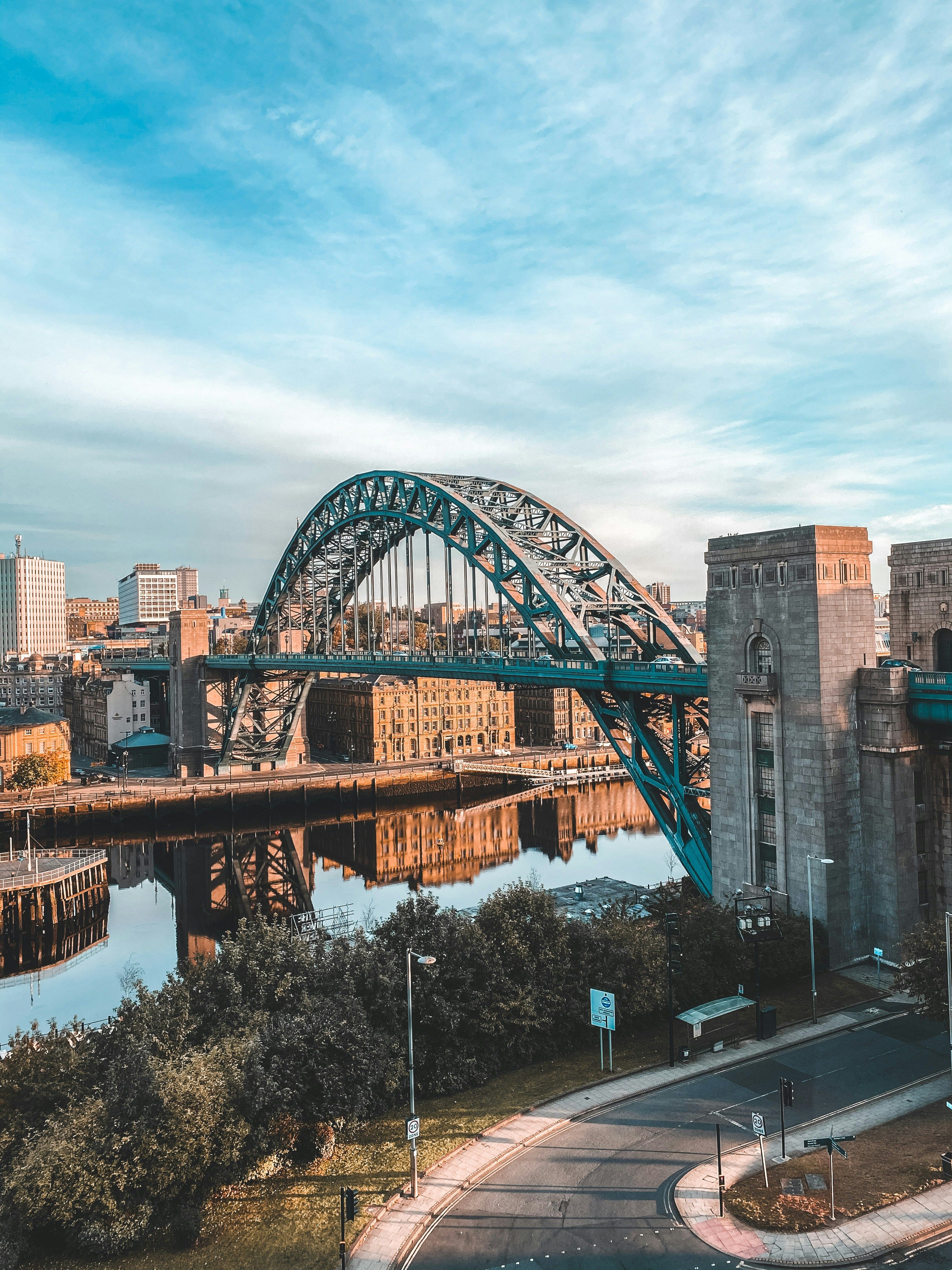
The "New Castle" that gives the city its name was built by Robert Curthose, eldest son of William the Conqueror, in 1080. The stone keep that replaced it in the twelfth century still stands, offering panoramic views across the Tyne and the seven bridges that now span it — including the iconic Tyne Bridge (1928), which predates Sydney's Harbour Bridge.
Newcastle became one of the great industrial cities of the nineteenth century. Coal, shipbuilding, and engineering made it a powerhouse of the British Empire. The legacy of that era is visible in the grand Victorian architecture of Grey Street — described by John Betjeman as one of the finest streets in England — and the Central Arcade.
Today Newcastle is a city of culture, nightlife, and warm hospitality. The Quayside, with the Sage Gateshead and the BALTIC Centre for Contemporary Art, has been transformed into one of the most exciting waterfronts in Britain. It is the overnight stop on the Danelaw route — and a city that rewards exploration.