York
Two thousand years of history in one city
York's story begins with the Romans. In AD 71, the Ninth Legion established the fortress of Eboracum, which quickly grew into one of the most important military and political centres in Roman Britain. Emperor Constantine the Great was proclaimed here in AD 306 — a moment that changed the course of Western civilisation.
After Rome withdrew, the city became Eoforwic, capital of the Anglo-Saxon kingdom of Northumbria and a centre of learning that produced scholars like Alcuin of York. In 866, the Great Viking Army captured the city and renamed it Jórvík, transforming it into a thriving trading hub that connected Scandinavia to the wider world.
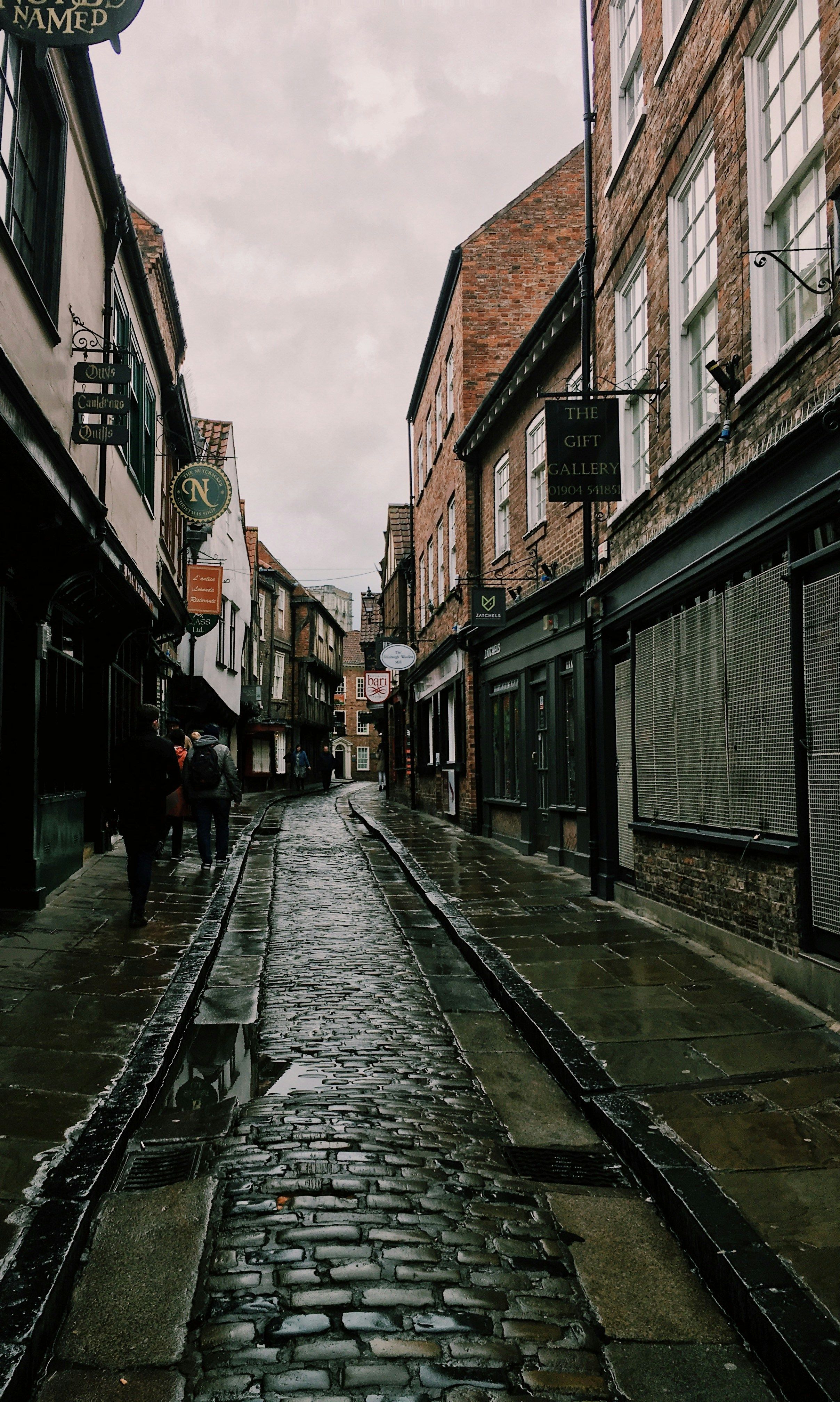
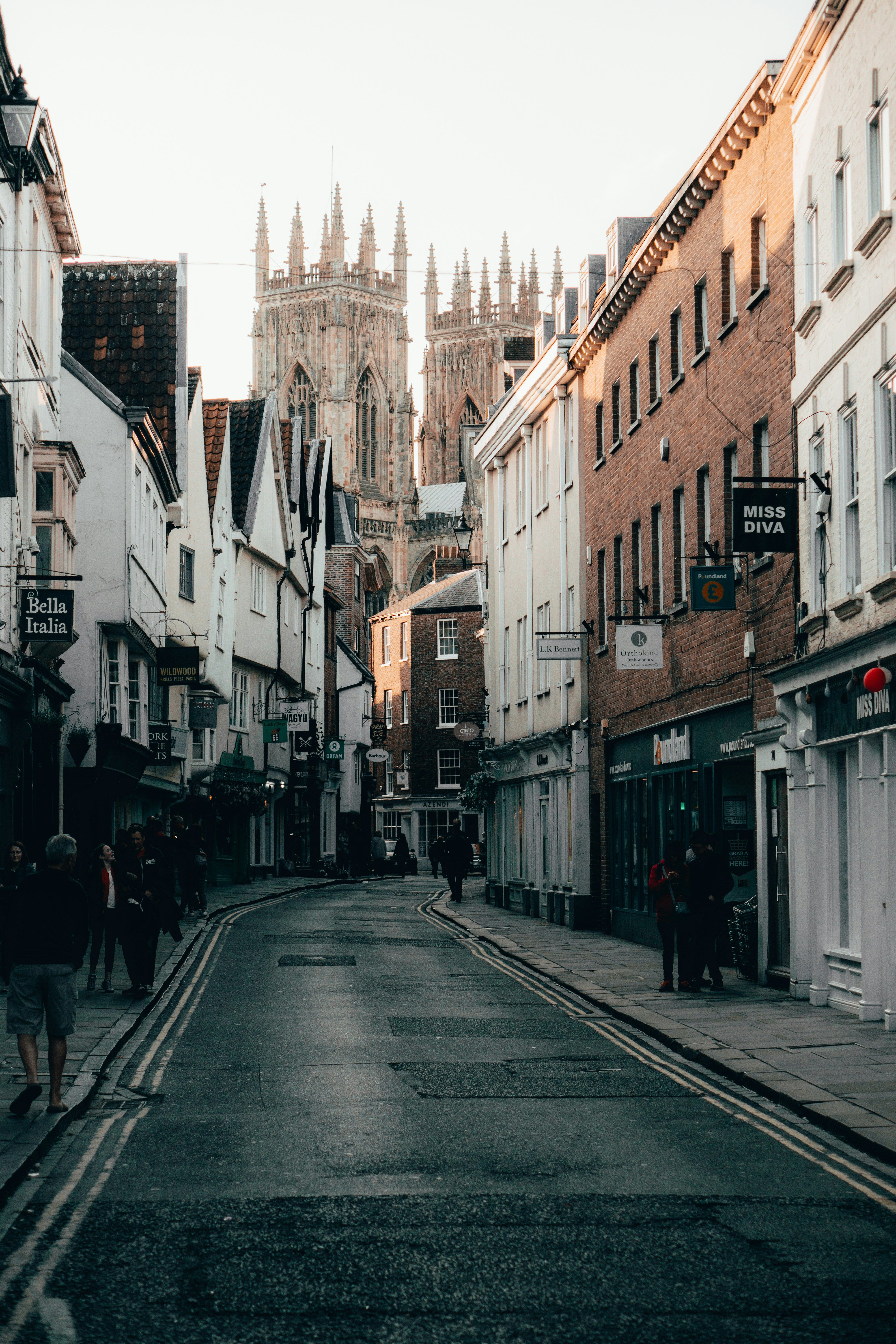
The medieval period brought York Minster — the largest Gothic cathedral in Northern Europe — and The Shambles, a narrow street of overhanging timber-framed buildings that has survived almost unchanged since the fourteenth century. The city walls, stretching nearly three miles around the old centre, remain the most complete in England.
Today York is a living museum. Every street corner reveals another layer of history, from Roman columns beneath the Minster to Viking artefacts at the Jorvik Centre. It is the perfect starting point for the Danelaw route.